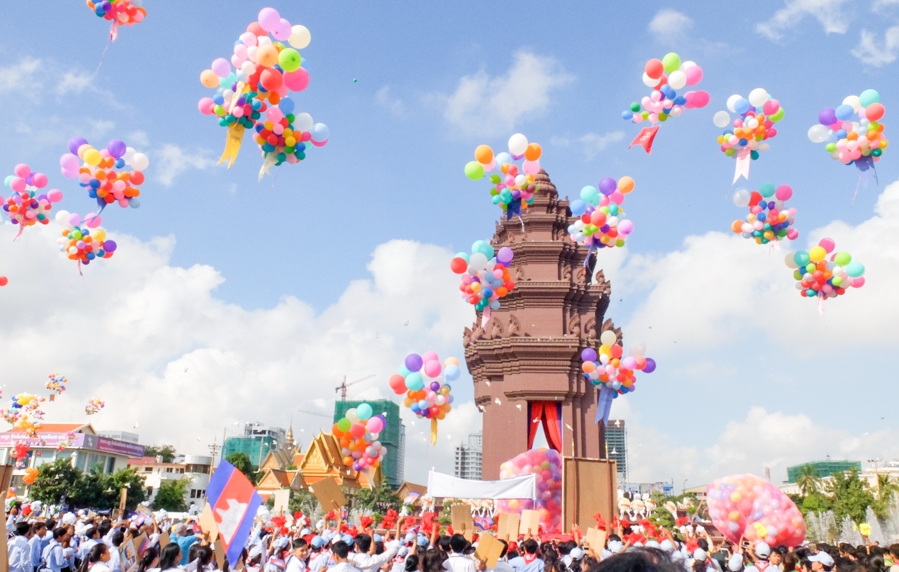
Diwali and India's Holiday Calendars: Gazetted, State and Restricted Days
India has only three national holidays, yet offices close for many more. Here is how central, state and restricted holidays fit together, using Diwali as the test case.
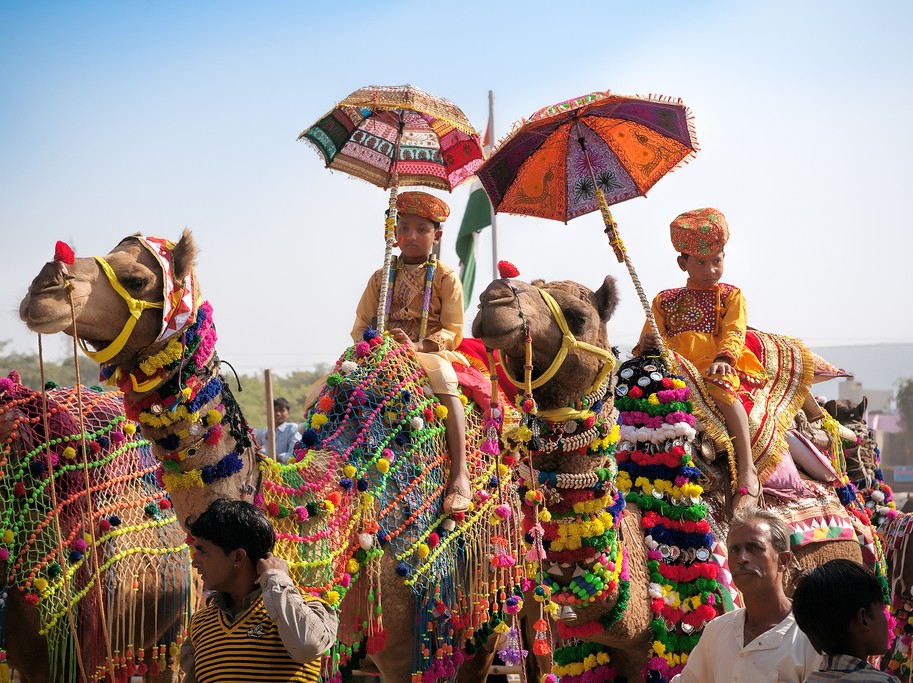
Ask "when is Diwali off in India?" and you can get three different answers from three offices of the same company. Bengaluru might close on one day, Mumbai on another, and Delhi might give two days while staff in a fourth city choose for themselves. That is not inconsistency for its own sake. India's holiday system works on several layers at once, and anyone planning work there needs to know which layer applies to which team.
Layer one: the three national holidays
India has three national holidays observed across the whole country:
- Republic Day, 26 January
- Independence Day, 15 August
- Gandhi Jayanti, 2 October
These are fixed dates. Everything else, including Diwali, Holi, Eid, Christmas and regional festivals, is set by other lists.
Layer two: the central government list
Each year the central government publishes holidays for its own offices. In broad terms, central government offices observe a set of compulsory holidays, which include the three national holidays and major festivals of different communities, such as Diwali. A few further holidays are then chosen from an optional list by coordination committees in each state capital, so the final set for central offices can differ from city to city.
The same notice also lists restricted holidays. These are not office closures. Instead, each employee may pick a small number of days from the restricted list, usually two, and take them off. The list covers festivals that matter greatly to some communities but are not universally observed. The exact rules are set in the annual government notice, so check the current one.
Private employers are not bound by the central list, but many use it as a template, and many offer a restricted or floating holiday system of their own.
Layer three: state holidays
State governments publish their own holiday lists through their gazettes. These cover state offices and often guide schools and private employers. They include regional festivals, state formation days and the birth anniversaries of regional figures, and they can vary greatly between neighbouring states.
Two further points complicate the picture:
- Bank holidays are declared state by state under the Negotiable Instruments Act and published by the central bank, so banking closures can differ from both the central and state government lists.
- Labour laws in many states require private employers to grant a minimum number of national and festival holidays. The required number and the procedure vary by state, so check the local rules for each office.
Why Diwali moves and why offices disagree
Diwali follows the Hindu lunisolar calendar and is tied to the new moon (amavasya) in the month of Kartika, under the convention used in much of north India. It therefore falls in October or November, on a different Gregorian date each year.
Diwali is also a festival of several days, not one. Dhanteras, Naraka Chaturdashi, the main Lakshmi Puja, Govardhan Puja and Bhai Dooj run across about five days. Regions put the emphasis in different places: in parts of south India the main celebration is on Naraka Chaturdashi, a day earlier than in much of the north. Because the lunar day (tithi) does not line up neatly with the civil day, almanacs can also disagree on which date a tithi falls in a given city. State lists and employer calendars resolve this in their own way, which is why two offices of the same company can close on different days.
Worked example: a two-office sprint across Diwali week
Suppose a team has engineers in Bengaluru and Pune and runs a two-week sprint of ten weekdays that includes Diwali week. In this illustration, the Bengaluru office closes on Tuesday and Wednesday of Diwali week and the Pune office closes on Wednesday and Thursday. The days are hypothetical; use your offices' published calendars.
| Bengaluru | Pune | Both | |
|---|---|---|---|
| Weekdays in sprint | 10 | 10 | 10 |
| Office closures | 2 (Tue, Wed) | 2 (Wed, Thu) | Union of 3 days (Tue to Thu) |
| Working days | 8 | 8 | 7 shared days |
Each office loses two days, but the sprint loses three days of joint working. Now add restricted holidays. If five engineers each take one restricted day in the sprint for related festivals such as Bhai Dooj, that removes another five person-days. For a ten-person team, sprint capacity falls from 100 person-days to 100 − (5 × 2) − (5 × 2) − 5 = 75, assuming five people sit in each office. That 25 per cent drop is the figure to plan with, not the "two days off" in the office calendar.
Count the shared days quickly with the team overlap planner, or check a single office's working days with the business days calculator.
Other festivals with the same pattern
The layered system affects much more than Diwali. Holi, Eid al-Fitr and Eid al-Adha, Durga Puja, Onam, Pongal and many more appear on some lists and not others. Lunar and observation-based festivals, including both Eids, may be confirmed or shifted close to the day, and governments sometimes revise a declared holiday at short notice. Our methodology page explains how dates that may change are marked, and the countries index lists the calendars we cover.
Working with partners outside India
For teams abroad, the layered system means a single "India holidays" feed is rarely accurate for a specific office. A partner in Chennai and another in Gurugram may close on different days in the same week, and a bank holiday in one state can delay payments without affecting offices elsewhere. Ask each Indian partner for their own holiday list at the start of the year, and record which state each office is in.
Practical steps for teams in India
- For each office, find out which list it follows: central, state, or its own company calendar.
- Get each office's published holiday list for the year, rather than a single "India" list.
- Ask staff to log restricted or floating holidays early, especially around Diwali.
- Plan joint work around the union of closures across offices, not one office's calendar.
- Recheck dates of lunar festivals in the weeks before they fall, as declared dates can change.