Nordic Midsummer and the Long Summer Holiday: A Planning Guide
Midsummer Eve barely appears in some official holiday lists, yet offices in Sweden and Finland empty. Then comes a summer holiday season measured in weeks, not days.
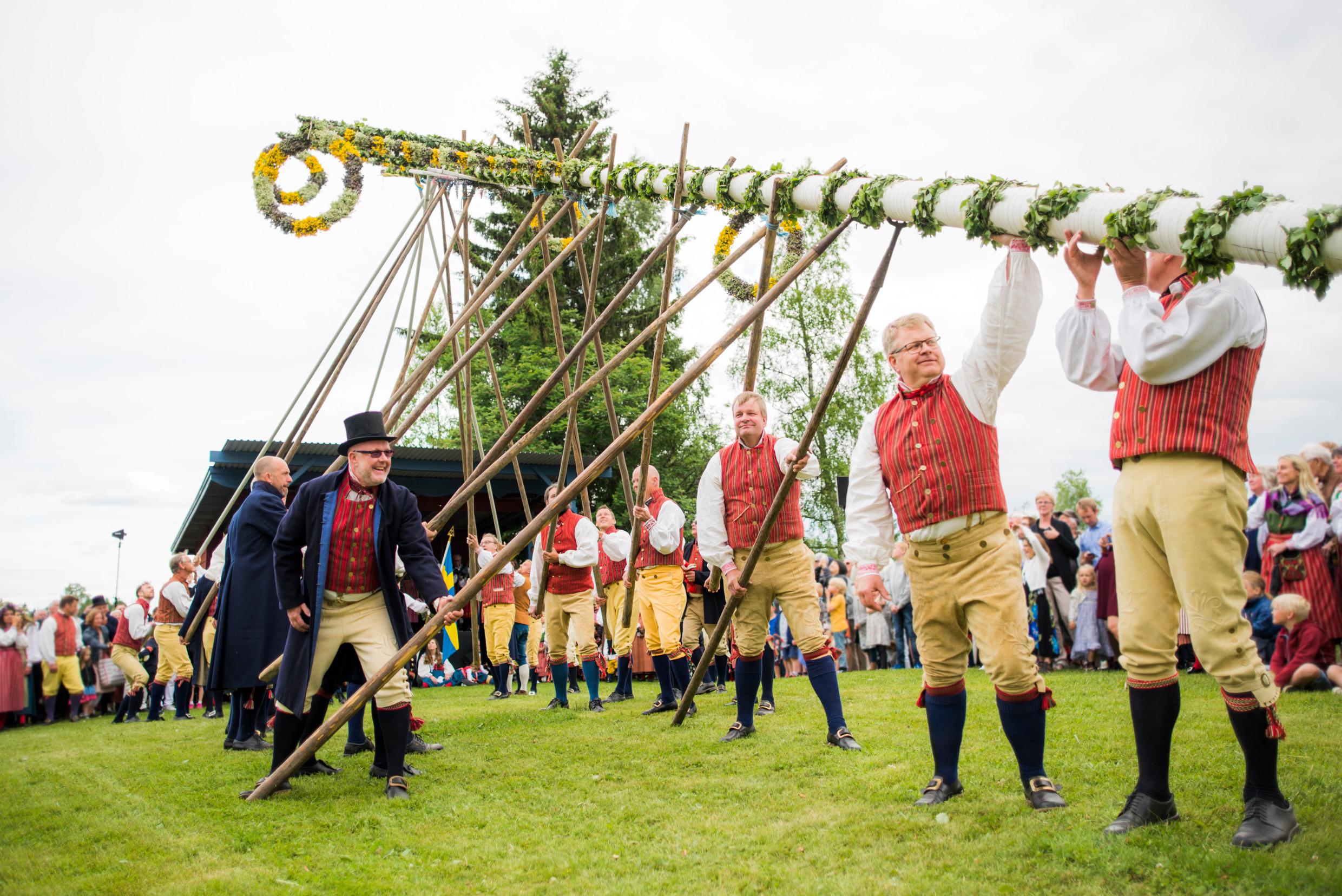
If you schedule a release for the last Friday in June with a team in Stockholm or Helsinki, nobody may be there to ship it. If you plan a project review for mid-July, you may find half the decision-makers away for most of the month. Neither is a surprise to anyone in the Nordic countries, but both catch out teams elsewhere, partly because Midsummer Eve is not always a formal public holiday and partly because summer leave there is measured in weeks.
Midsummer: four countries, two patterns
The four countries mark midsummer differently.
| Country | Celebration | Date rule | Effect on work |
|---|---|---|---|
| Sweden | Midsommarafton and Midsommardagen | Eve: Friday between 19 and 25 June. Day: the Saturday after. | Midsummer Day is a public holiday. The Eve is not formally one, but is treated as a day off almost everywhere. |
| Finland | Juhannusaatto and Juhannuspäivä | Same pattern: Friday Eve, Saturday Day, between 19 and 26 June. | Midsummer Day is an official holiday. The Eve is a customary day off for most workplaces. |
| Norway | Sankthansaften | Evening of 23 June | Bonfires and celebrations, but an ordinary working day. |
| Denmark | Sankt Hans aften | Evening of 23 June | Celebrated in the evening; an ordinary working day. |
The Swedish and Finnish case is the one that trips up calendars. Midsummer Day itself always falls on a Saturday, so as a public holiday it costs no weekday. The working day that disappears is the Friday Eve, which many international holiday feeds omit because it is not in the formal statutory list. In Sweden, collective agreements and employer practice usually treat it like a Sunday. Check your contract or local agreement for the exact rule.
The summer holiday season
Midsummer marks the start of the main holiday season. Annual leave legislation in all four countries is built around a long summer break, and collective agreements often add to it. In outline, and subject to change and to individual agreements:
- Sweden: employees are entitled to 25 days of annual leave, and normally to four consecutive weeks during June, July and August unless agreed otherwise. Some industries traditionally close for several weeks in July.
- Finland: leave accrues month by month, and the summer portion is normally taken during a holiday season running from May to September.
- Norway: the statutory entitlement is 25 working days, counted on a six-day week, with a right to take a main holiday of three weeks in the summer season.
- Denmark: employees accrue five weeks of leave a year, with a main holiday of three consecutive weeks normally taken in the summer period.
Rules differ in their detail, and employers can agree other arrangements with staff. Treat these as orientation, and check the national rules and your agreements before relying on them.
Worked example: a Stockholm team in summer 2027
In 2027, Midsummer Eve falls on Friday 25 June and Midsummer Day on Saturday 26 June. Sweden's National Day, 6 June, falls on a Sunday that year, so it removes no weekday.
Take a six-person team in Stockholm and look at June, July and August.
- Weekdays from 1 June to 31 August 2027: 66.
- Subtract Midsummer Eve: 65 working days per person.
- Team total: 6 × 65 = 390 person-days.
- Each person takes four consecutive weeks: 20 working days. Team leave: 6 × 20 = 120 person-days.
- Available: 390 − 120 = 270 person-days, about 69 per cent of the nominal summer capacity.
The average hides the real problem: timing. If most of the team chooses weeks in July, as is common, the middle of the summer may have only one or two people available while June and August are nearly full. Plan with the leave calendar itself, week by week, not the three-month average. Someone whose four weeks include Midsummer Eve also uses one fewer leave day, which is a small saving the team can bank.
A week-by-week view
To see the timing problem, split the summer into weeks and mark who is away. A simple grid with names down the side and weeks along the top works well. In a typical pattern, the weeks around Midsummer still look reasonably full, the four or five weeks from early July to early August are thin, and the second half of August fills up again as people return and schools reopen. If one week in July shows only one person present, that week cannot carry a deadline, an approval or an on-call rota that needs two people.
The same grid helps with customers and suppliers. Many Nordic businesses tell clients their reduced summer service levels in advance. Ask for them, and add them to the plan alongside your own team's leave.
Working across the region
If your team spans the Nordic countries, the differences matter. Norway and Denmark work on 23 June and on the Friday that Sweden and Finland take off. Their peak holiday weeks also do not align exactly with Sweden's. For any shared project, compare the national calendars on the Sweden, Finland, Norway and Denmark Public Holidays pages, and add the team's actual leave on top.
Remember that spring also brings a cluster of Easter, Ascension and Whitsun-related holidays across the region, so the run-up to summer is not a clean stretch either. The 2027 long weekends in Sweden page shows how they fall.
Practical steps before June
- Add Midsummer Eve to your calendar for Sweden and Finland as a non-working day, even if your holiday feed does not list it.
- Ask Nordic colleagues for their summer leave plans by spring, and map them week by week.
- Move releases, sign-offs and contract deadlines out of July where you can.
- Agree who holds decision-making authority while key people are away.
- Check with suppliers and partners whether they have a collective summer closure.
- Plan August as a ramp-up month rather than assuming full speed on the first working day back.